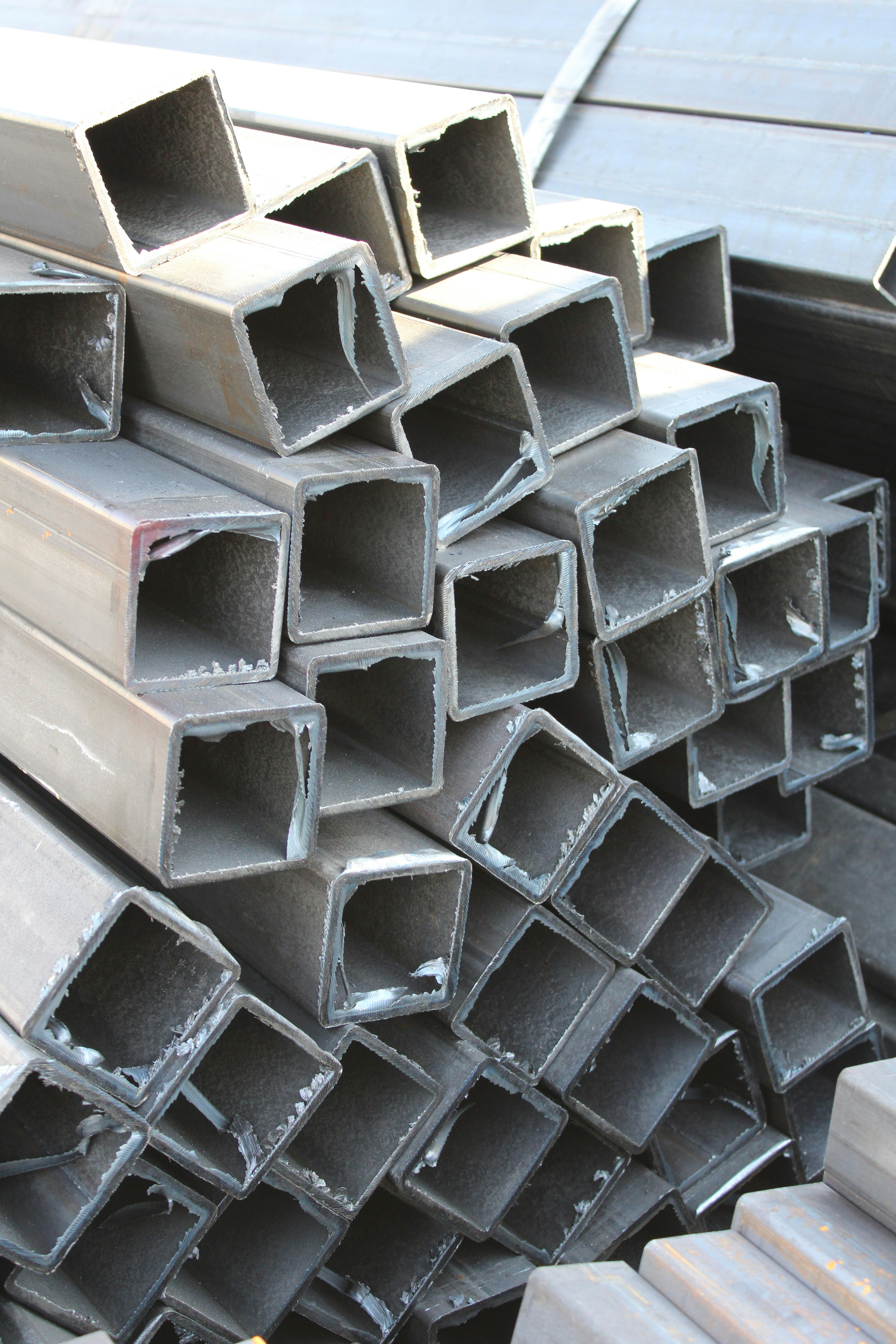
What Is an RSJ Beam? Complete Beginner’s Guide to Rolled Steel Joists 2026
If you are planning a home renovation, knocking through a wall, or trying to understand your builder’s quote, you have almost certainly come across the term “RSJ beam.” It is one of the most commonly used phrases in UK residential construction, yet it causes confusion for homeowners and tradespeople alike. This guide explains exactly what an RSJ beam is, what it does, how much it costs, and the legal requirements you must follow when installing one in 2026.
What Does RSJ Stand For?
RSJ stands for Rolled Steel Joist. The name describes how the beam is manufactured: a steel billet is heated and passed through rollers that gradually shape it into its final I-shaped profile. This rolling process gives the steel its strength, consistency, and smooth surfaces.
The term “joist” is technically a legacy word. In modern engineering, these are more accurately called beams. However, “RSJ” has stuck in the UK building trade because it is short and universally understood.
It is worth noting that “RSJ” is often used as a catch-all term for any steel beam installed in a house. Your builder might say “we need an RSJ here” even if the actual section is a Universal Beam (UB). For most domestic projects, the distinction does not matter practically, but it helps to understand the terminology when reading quotes.
What Is an RSJ Beam Used For?
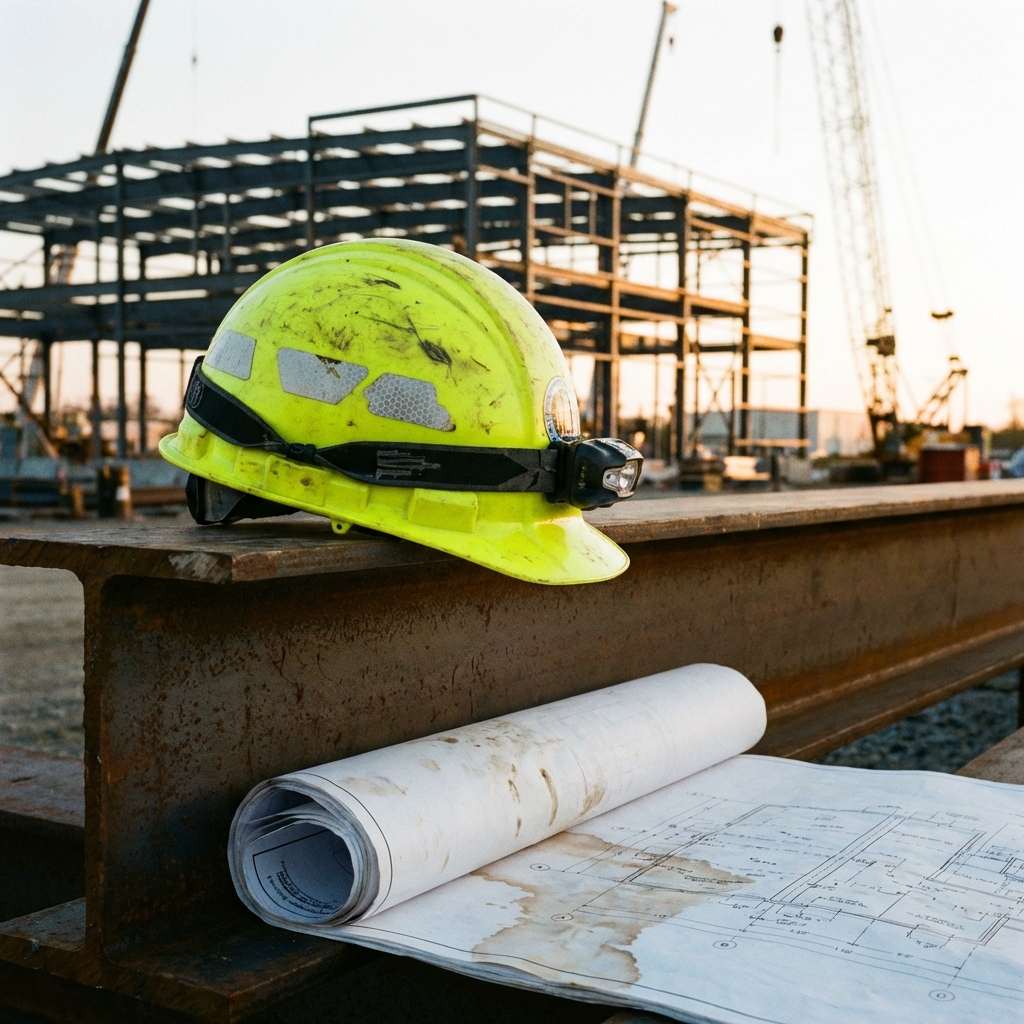
An RSJ beam is a structural steel member designed to carry loads across an opening. Its distinctive I-shape — two horizontal flanges connected by a vertical web — is one of the most efficient structural shapes ever invented. It provides excellent strength in bending while using the minimum amount of steel.
In UK homes, RSJ beams are installed for four main reasons.
Wall Removal and Open-Plan Living
The most popular use is removing a load-bearing wall to create an open-plan kitchen, dining, or living area. The existing wall supports the floor above, the roof, or both. Once removed, something must carry that weight. An RSJ beam, supported at each end by masonry walls or columns, transfers the load safely around the new opening.
Loft Conversions
When converting a loft, you often need to cut through roof trusses to create headroom. RSJ beams support the new floor structure, create dormer windows, and carry the remaining roof load. In many loft conversions, multiple steel beams form a “steel frame” that holds the new room together.
Rear and Side Extensions
Extensions frequently require steel beams where the new structure meets the existing house. A beam might support the first floor above bi-fold doors, or bridge the junction between old and new walls. Larger extensions may use RSJ beams to create wide openings for glass walls or patio doors.
Garage Conversions and Basements
Converting a garage often involves altering the structural layout. You may need a beam to support the house wall above a new opening. Basements and cellar conversions also use steel beams to support the existing ground floor during excavation.
RSJ vs UB vs I-Beam — What’s the Difference?
You will hear builders, engineers, and steel suppliers use the terms RSJ, UB, and I-beam interchangeably, but they are not exactly the same thing.
An I-beam is the generic term for any steel section that looks like the letter “I” when viewed from the end.
An RSJ is a specific type of I-beam historically manufactured to British Standards. RSJs have tapered flanges — the flange thickness reduces slightly as it moves away from the web. They were once the standard domestic beam, but genuine RSJ sections are now less commonly stocked.
A Universal Beam (UB) is the modern replacement. UBs have parallel flanges, making them easier to connect with bolts and plates. They are stronger, more readily available, and generally cheaper per tonne. When a builder quotes for an “RSJ” today, they are almost certainly going to install a UB.
For homeowners, the practical difference is negligible. Both perform the same function and are designed using the same engineering principles. For dimensions and load capacities, see our complete RSJ size chart.
How to Read RSJ Beam Sizes
Steel beam sizes are written as a string of three numbers. Once you know what they mean, it is straightforward to decode a quote or specification.
A typical size looks like this: 203×133×25
- 203 = the depth of the beam in millimetres (overall height)
- 133 = the width of the flange in millimetres
- 25 = the weight of the beam in kilograms per metre (kg/m)
The depth is the most important number for strength. A deeper beam can span further and carry more load. The width matters for stability and for how the beam sits on the walls at each end. The weight per metre is used by suppliers to price the beam.
The correct beam size depends on the span, the load, the steel grade, and deflection limits. If you want a quick way to estimate what size you might need, try our beam size calculator.
Common RSJ Sizes for UK Homes
Most residential projects use beams in a relatively narrow range of sizes. The smallest commonly used section is a 127×76×13, for short spans over doorways. The largest standard domestic beam is typically a 305×165×40, for heavy loads or long spans.
Here is a brief overview of common sizes and typical uses.
- 127×76×13 — Light duty. Small openings, doorways, light roof loads. Spans under 1.5 metres.
- 152×89×16 — Light to medium duty. Small internal openings, light loft conversions.
- 178×102×19 — Medium duty. Internal door widenings, small alterations.
- 203×102×23 — Popular medium-duty beam. Standard kitchen knock-throughs.
- 203×133×25 — Very common size. Standard wall removals and loft beams, spans of 2.5–3.5 metres.
- 254×102×25 — Good for longer moderate-load spans. Often seen above wide openings.
- 254×146×31 — Heavy duty domestic beam. Larger openings or multiple floors.
- 305×102×33 — Long-span, light-load applications.
- 305×165×40 — Large domestic beam. Heavy loads, long spans, or complex load paths.
These are general guidelines only. The actual beam must be calculated by a structural engineer. For full dimensions and safe working loads, refer to our complete RSJ size chart.
Do You Need a Structural Engineer for an RSJ?
Yes. In almost every case, you need a structural engineer to specify an RSJ beam for a domestic project. This is not just best practice — it is a legal requirement under UK Building Regulations.
A structural engineer will assess the load path, measure the span, check the supporting walls, and produce calculations proving the proposed beam is strong enough. They will also specify the bearing length, any padstones or columns required, and fire protection details.
You should always use a chartered structural engineer — ideally a member of the Institution of Structural Engineers (IStructE) or the Institution of Civil Engineers. Chartered engineers carry professional indemnity insurance. If you rely on a builder’s guess and the beam fails, your insurance may be void and you could face significant repair costs.
How Much Does an RSJ Cost in 2026?
RSJ costs depend on four main factors: the size of the beam, the length required, the current steel market price, and the complexity of the installation. In 2026, steel prices have stabilised somewhat after the volatility of previous years, but they remain sensitive to global energy costs and supply chain conditions.
As a rough guide for UK homeowners in 2026:
- Small beam (127×76×13 to 152×89×16), supply only: £90–£180
- Medium beam (203×133×25), supply only: £200–£350
- Large beam (305×165×40), supply only: £450–£700
Installation costs vary more widely. A straightforward ground-floor wall removal might cost £1,500–£3,000 including the beam, temporary works, and making good. A complex project with party wall issues, poor access, or multiple beams can exceed £5,000–£8,000.
Additional costs include:
- Structural engineer’s calculations: £400–£800
- Building Control fees: £200–£500
- Party Wall Surveyor (if applicable): £700–£1,500
- Skip hire: £200–£400
- Fire protection: £150–£500
- Making good: £500–£2,000
For a detailed cost breakdown, see our RSJ beam cost calculator.
RSJ Building Regulations and Building Control
Any structural alteration to a load-bearing element requires approval under UK Building Regulations. You must either submit a Building Notice or a Full Plans application to your local council’s Building Control department, or use a private approved inspector.
Building Control will want to see:
- Structural calculations signed by a chartered engineer
- Details of the beam size, grade, and bearing lengths
- Information about temporary supports during installation
- Evidence of adequate fire resistance
- Confirmation that structural stability is maintained
The inspector will visit at key stages: before the wall is removed, when the beam is in place, and at completion. Do not cover the beam with plasterboard until it has been inspected.
For official guidance, visit Building Regulations approval. You can also browse our Building Regulations category.
RSJ Installation Overview
The basic installation process typically follows these stages:
- Structural survey and calculations — An engineer assesses the property and specifies the beam.
- Building Control notification — The project is registered with the local authority.
- Temporary supports — Acrow props and strongboys hold the structure while the wall is removed.
- Wall removal — The opening is cut, and padstones or columns are prepared.
- Beam installation — The RSJ is lifted into place, levelled, and packed.
- Final inspection — Building Control checks the work before it is covered up.
- Making good — Plastering, decorating, and finishing.
For a detailed walkthrough, read our guide on how to install an RSJ beam.
Frequently Asked Questions
Can I install an RSJ myself?
Technically, you can carry out the work yourself if you own the property and notify Building Control. However, you must still provide structural calculations from a chartered engineer, and Building Control will inspect the work to the same standard as if a builder had done it. Given the risks involved — including the potential for structural collapse, serious injury, or death — most homeowners hire a professional builder with experience in structural steelwork. DIY installation is strongly discouraged unless you have relevant construction experience.
How long does RSJ installation take?
For a straightforward ground-floor wall removal with good access, the structural work itself usually takes one to two days. However, the overall project timeline is longer. Obtaining structural calculations can take one to two weeks. Ordering the steel beam typically takes one to three weeks depending on stock and cutting requirements. Building Control inspections may add a few days between stages. From start to finish, a typical RSJ project takes three to six weeks.
Is an RSJ the same as a steel beam?
Yes and no. “Steel beam” is the general term for any structural beam made from steel. An RSJ is a specific type of steel beam with a distinctive I-shaped profile and historically tapered flanges. In everyday UK conversation, however, the terms are often used interchangeably. If a builder says “steel beam,” they usually mean a UB (Universal Beam), which is the modern equivalent of an RSJ.
What is the most common RSJ size?
For standard domestic wall removals and loft conversions in the UK, the 203×133×25 and 254×146×31 are the most commonly specified sizes. These offer a good balance of strength, availability, and cost for typical residential spans of 2.5 to 4 metres. That said, the “most common” size for your specific project can only be determined by a structural engineer after calculating the loads and span.
Do RSJ beams need fire protection?
Yes. Under UK Building Regulations, structural steelwork must have adequate fire resistance to prevent the beam from weakening in a fire and causing premature collapse. In domestic properties, this is usually achieved by boxing the beam in with fire-resistant plasterboard or applying intumescent paint. The required fire rating depends on the building type and the beam’s location. Your structural engineer or Building Control officer will specify the exact fire protection method needed for your project.
Final Thoughts
An RSJ beam is one of the most important pieces of steel in a modern home renovation. It allows you to open up spaces and reconfigure your property in ways that would otherwise be impossible. However, it is not a DIY afterthought. Choosing the right beam, installing it correctly, and complying with Building Regulations are essential steps that protect your home and your investment.
If you are at the early stages of planning, start by speaking to a structural engineer. Get professional calculations before you ask builders for quotes. The more informed you are, the smoother your project will be.
Important Disclaimer: The information in this guide is for educational purposes only and does not constitute structural engineering advice. Every building is different, and only a chartered structural engineer can determine the correct beam size, specification, and installation details for your specific project. You must obtain Building Regulations approval before carrying out any structural alterations. Failure to do so may invalidate your home insurance, compromise the safety of your property, and result in enforcement action by your local authority. Always hire a qualified, chartered structural engineer for load-bearing structural work.