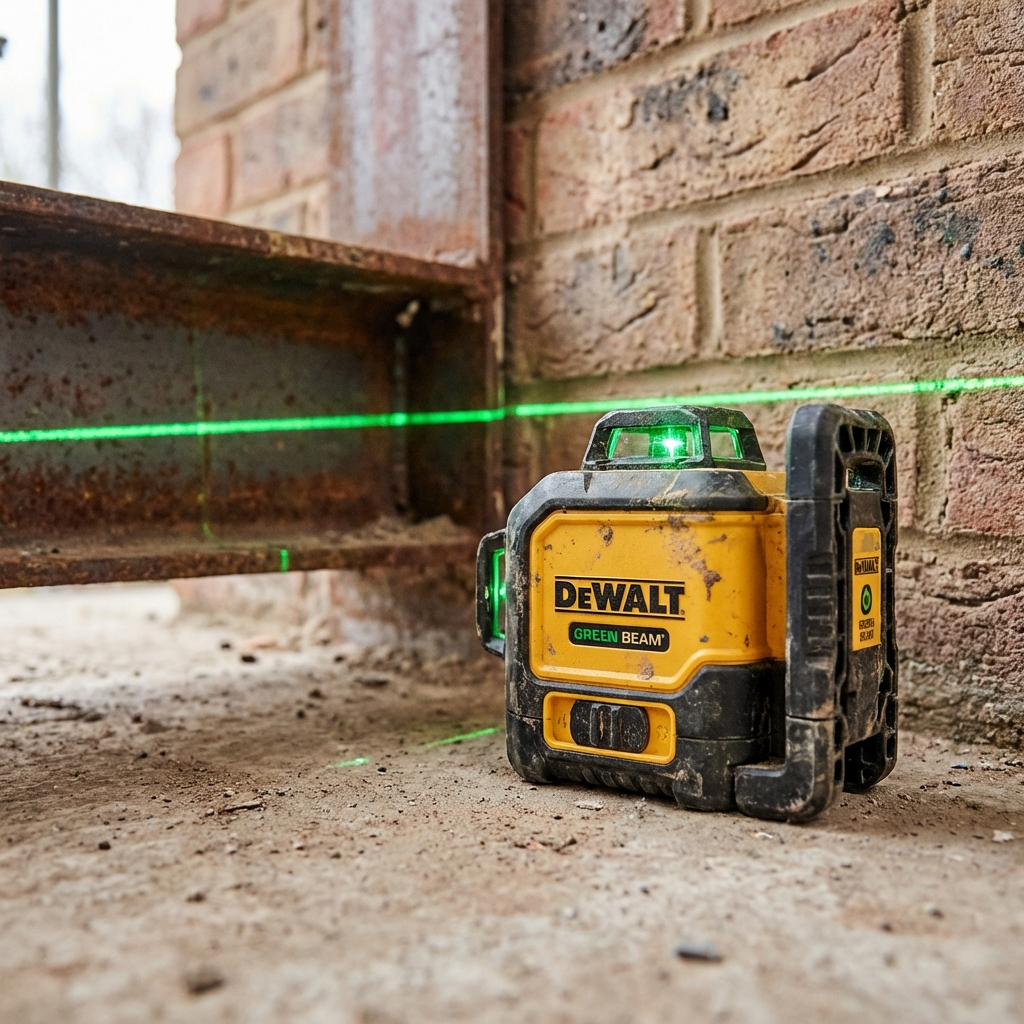
Converting your loft is one of the most cost-effective ways to add living space to a UK home, but it almost always involves opening up roof structures and inserting steel beams to carry the new loads safely. Choosing the correct beam size is critical for structural safety and compliance with Building Regulations. This guide explains what size RSJ you need for a loft conversion, provides span tables, breaks down 2026 costs, and outlines the legal requirements before work begins. For a quick initial check use our beam size calculator.
Why Do Loft Conversions Need Steel Beams?
Traditional cut roofs were built to support only the ceiling below and the roof covering above. When you convert the loft into a habitable room, loads change dramatically: you add a floor deck, insulation, plasterboard, furniture, and people. You often remove purlins, struts, or load-bearing partition walls that previously propped the roof up.
Steel beams—commonly called RSJs or, more accurately, Universal Beams (UBs)—redistribute these new loads down to the foundations. Without them, the existing timber rafters and ceiling joists would be overstressed, leading to deflection, cracking, and potential failure.
The most common scenario is a rear dormer conversion where an internal load-bearing wall is removed to open up the floor plan. Here a steel beam must bridge the gap and transfer roof and floor loads to suitable supports, usually padstones built into the party or external walls. Similarly, in a hip-to-gable conversion the new gable end and ridge line often need a steel beam to stabilise revised roof geometry. For a deeper overview, read our dedicated article on RSJ for loft conversion.
Types of Steel Beams in a Loft Conversion
Not every steel in a loft project does the same job. Your structural engineer will specify beam types depending on where the load path runs and what elements are removed. The four main categories are:
Ridge Beam
A ridge beam supports the roof apex. In a loft conversion the original ridge board is upgraded to a structural ridge beam when collar ties or purlins are removed. This allows rafters to span from the ridge to the eaves, creating open vaulted ceilings.
Floor Beam
Floor beams run perpendicular to new loft floor joists and pick up intermediate loads when timber spans would otherwise be too long. They also replace ceiling joist support when walls below are removed.
Dormer Beam
Dormer beams form the front and sides of a dormer. They carry the flat roof, external walls above it, and window loads. These beams are often set into the existing roof slope and may need cranking to follow the pitch, although straight beams are preferred for strength.
Party Wall Steel
When a conversion spans a terraced or semi-detached house, steel beams frequently bear into party walls. These short-span beams distribute concentrated loads from ridge or floor beams onto padstones in the shared wall. Because they affect your neighbour’s structure, they fall under the Party Wall etc. Act 1996 and require formal notice.
What Size RSJ for a Loft Conversion Ridge Beam?
Ridge beam size depends on the span, roof pitch, rafter spacing, and loads from tiles, insulation, plasterboard, and snow. As a rule of thumb for a standard cut roof with concrete tiles and 600 mm centres:
- 3.0 m span: 152 x 89 x 16 UB or 178 x 102 x 19 UB
- 4.0 m span: 203 x 133 x 25 UB
- 5.0 m span: 254 x 146 x 31 UB or 305 x 127 x 37 UB
- 6.0 m span: 305 x 165 x 40 UB or 356 x 127 x 39 UB
These figures assume the ridge beam supports half the roof width each side and that loads transfer evenly to steel posts or masonry piers at each end. If you remove significant bracing or use heavier slates, the engineer may specify a larger section or a 356 mm deep beam even at shorter spans.
Because ridge beams are often exposed, architects sometimes prefer parallel flange channels or fabricated box beams for a slimmer profile. Structurally, however, a standard UB is usually the most economical solution. Always confirm sizing with a chartered structural engineer; for a quick estimate try our beam size calculator.
What Size RSJ for a Loft Conversion Floor Beam?
Floor beams in a loft conversion carry the new habitable floor deck. According to BS EN 1991-1-1 (UK National Annex), a residential bedroom must be designed for an imposed load of 1.5 kN/m² plus dead load of the floor construction, typically another 0.5–0.8 kN/m² depending on insulation and finishes.
Typical UB sizes for a loft floor beam supporting timber joists at 400 mm centres are:
- 2.5 m span: 152 x 89 x 16 UB
- 3.5 m span: 178 x 102 x 19 UB
- 4.5 m span: 203 x 133 x 25 UB
- 5.5 m span: 254 x 146 x 31 UB
- 6.5 m span: 305 x 165 x 40 UB
These sizes assume the floor beam is simply supported at both ends on minimum 150 mm bearings and that timber joists fixed to the top flange provide lateral restraint. If the beam sits in a cavity or is fully encased in plasterboard, fire protection and deflection limits (usually span/360) may push the specification up by one serial size.
It is also common to use one larger beam instead of two smaller beams when an internal wall is removed. For example, replacing a central load-bearing wall with a 5 m steel beam often calls for a 254 x 146 x 37 UB or 305 x 127 x 42 UB, depending on how much roof load it picks up in addition to the floor.
Loft Conversion Steel Beam Span Table
The table below consolidates typical Universal Beam sizes for loft conversion ridge and floor beams under normal UK loading conditions. Use it for budgeting and early planning only; final sizes must be verified by calculation.
| Span (m) | Ridge Beam (UB) | Floor Beam (UB) | Notes |
|---|---|---|---|
| 2.5 | 152 x 89 x 16 | 152 x 89 x 16 | Short spans, light tiles |
| 3.0 | 152 x 89 x 16 | 152 x 89 x 16 | Standard terraced loft |
| 3.5 | 178 x 102 x 19 | 178 x 102 x 19 | Common semi-detached span |
| 4.0 | 203 x 133 x 25 | 203 x 133 x 25 | Mid-size dormer projects |
| 4.5 | 203 x 133 x 30 | 203 x 133 x 25 | Heavier roof = larger ridge |
| 5.0 | 254 x 146 x 31 | 254 x 146 x 31 | Popular 5 m loft span |
| 5.5 | 254 x 146 x 37 | 254 x 146 x 31 | Check deflection limits |
| 6.0 | 305 x 165 x 40 | 305 x 165 x 40 | Large detached conversions |
| 6.5 | 356 x 127 x 39 | 305 x 165 x 40 | May need intermediate post |
| 7.0 | 356 x 171 x 45 | 356 x 127 x 39 | Engineer sign-off essential |
Bear in mind that ridge beams supporting wide roof plans or complex dormer shapes may need to be deeper than the table suggests. Similarly, floor beams carrying a partial wall above will be heavier sections. For more detailed sizing data, see our complete RSJ size chart 2026.
How Much Does a Loft Conversion Steel Beam Cost in 2026?
Steel prices fluctuate with global demand, but as of early 2026 UK homeowners can expect the following rough costs for loft conversion beams supplied and delivered to site. Prices include cutting to length but exclude VAT, installation, crane hire, and fire protection.
- 152 x 89 x 16 UB (up to 3 m): £95 – £135 each
- 178 x 102 x 19 UB (up to 4 m): £140 – £190 each
- 203 x 133 x 25 UB (up to 5 m): £210 – £280 each
- 254 x 146 x 31 UB (up to 6 m): £320 – £420 each
- 305 x 165 x 40 UB (up to 7 m): £480 – £620 each
- 356 x 171 x 45 UB (up to 8 m): £650 – £820 each
Longer beams become disproportionately more expensive because of transport surcharges and the difficulty of manoeuvring them through terraced streets. Beams longer than about 4 metres usually need crane hire or a telehandler, adding £300–£600. Party-wall steels often need temporary works to support the wall while the padstone is formed, adding another £400–£800 per opening.
When you factor in installation labour, padstones, bearings, and fire-resistant boarding (usually two layers of 15 mm fireline plasterboard for 60 minutes’ protection), a typical three-beam conversion package costs between £2,800 and £5,500 in total. Complex projects with multiple long-span beams can exceed £8,000. Always obtain three quotes from structural steel fabricators and check they include delivery, hoist, and fixing.
Building Control and Structural Engineer Requirements for Loft Steelwork
Any structural alteration to a roof or floor in the UK is notifiable building work. You must either submit a Full Plans application to your local authority Building Control department or appoint an approved inspector before work starts. The steelwork must be designed, sized, and detailed by a competent person, which in practice means a chartered structural engineer.
The engineer will produce calculations showing the beam is adequate for bending, shear, deflection, and bearing. They will also specify padstone size, bearing length, and restraint requirements. Building Control will inspect the steels at two stages: when the beams are in position but before they are boxed in, and again when fire protection and structural timbers are complete.
Official guidance on the approval process is available at GOV.UK Building Regulations approval. For professional standards and finding a qualified engineer, the Institution of Structural Engineers is the UK accrediting body.
If you are wondering how much engineering design costs, read our breakdown of structural engineer costs for RSJ calculations. Fees for a straightforward loft conversion usually range from £400 to £900, depending on scheme complexity and the number of beams.
Can You Use Timber Instead of Steel for a Loft Conversion?
In some small conversions it is possible to use engineered timber beams such as I-joists, metal-web joists, or glulam instead of steel. Timber is lighter, easier to handle on site, and simpler to fix plasterboard to. It is also more sustainable if sourced from certified forests.
However, timber cannot match the strength-to-weight ratio of steel when spans exceed about 4 metres or when concentrated loads from removed walls must be carried. In most modern loft conversions—especially dormers and hip-to-gable designs—steel beams are unavoidable because of the long clear spans and the need to support both roof and floor loads simultaneously.
Where timber works well is for secondary floor joists between steel beams. A typical detail is a 254 x 146 UB running the length of the loft with timber I-joists at 400 mm centres hung from its web. This hybrid approach gives you the spanning power of steel with the thermal and acoustic benefits of timber.
FAQs
Q: What size RSJ for a 5m loft span?
For a 5 metre span in a standard conversion, a 254 x 146 x 31 UB is commonly specified for both ridge and floor beams under normal loading. If the beam carries a wide roof plan, a party wall above, or heavy slates, the engineer may upgrade it to a 305 x 127 x 37 UB or 305 x 165 x 40 UB. Use our beam size calculator for a quick estimate.
Q: Do loft steel beams need fire protection?
Yes. Steel loses strength at high temperatures, so Building Regulations require loft steel beams to have a minimum fire resistance period—usually 30 or 60 minutes depending on dwelling configuration. The most common domestic solution is to encase the beam in two layers of 15 mm fire-resistant plasterboard, giving 60 minutes’ protection. Intumescent paint is an alternative if you want to leave the steel exposed, but it must be applied to the manufacturer’s specification and thickness.
Q: Can I install loft steel beams myself?
Technically a competent builder can place a small steel beam, but it is strongly discouraged. Risks include overloading the wall during installation, inadequate bearing lengths, incorrect padstone sizes, and lack of temporary support for the roof. Building Control will require structural engineer calculations and will inspect the installation. For beams over about 100 kg, manual handling regulations and crane safety also come into play. It is safer and usually more cost-effective to hire a specialist steel installer.
Q: How long does it take to fit steel beams in a loft?
For a typical terraced or semi-detached conversion with two to four steel beams, steel installation itself takes one to two days once access and temporary works are in place. However, you must allow time for the structural engineer to verify steels before boarding in. If crane hire is needed, the lift is usually completed within a few hours, but scheduling depends on road closures and permits.
Q: What is the cheapest steel beam for a loft conversion?
The cheapest beam is the one just large enough to do the job safely. Over-specifying wastes money; under-specifying risks failure and remedial costs. In practice, the 152 x 89 x 16 UB is the lowest-cost section used in loft conversions, suitable for spans up to about 3 metres. For longer spans, a 254 x 146 x 31 UB offers the best balance of cost and availability. Always get your engineer’s specification before ordering, because steel suppliers rarely accept returns on cut lengths.
Disclaimer: The information in this article is intended for general guidance only. Every loft conversion is structurally unique, and the correct size, type, and placement of steel beams must be determined by a chartered structural engineer. All structural alterations must be approved by Building Control and comply with current UK Building Regulations. RSJ.info accepts no liability for any loss, damage, or injury arising from the use of the span tables, cost estimates, or advice given above. Always seek professional structural engineering input before ordering steel or commencing building work.